
Every trophy tells a story of hard work and achievement. However, few people understand what happens before a trophy reaches the winner’s hands. The trophy manufacturing process involves design, material selection, casting, and finishing. Each stage requires skill and precision. Therefore, understanding this process helps buyers choose better awards for their events.
At Marseilia Gifts, trophies are crafted with care and attention to detail. Our team blends traditional techniques with modern technology. As a result, every piece reflects quality and lasting value.
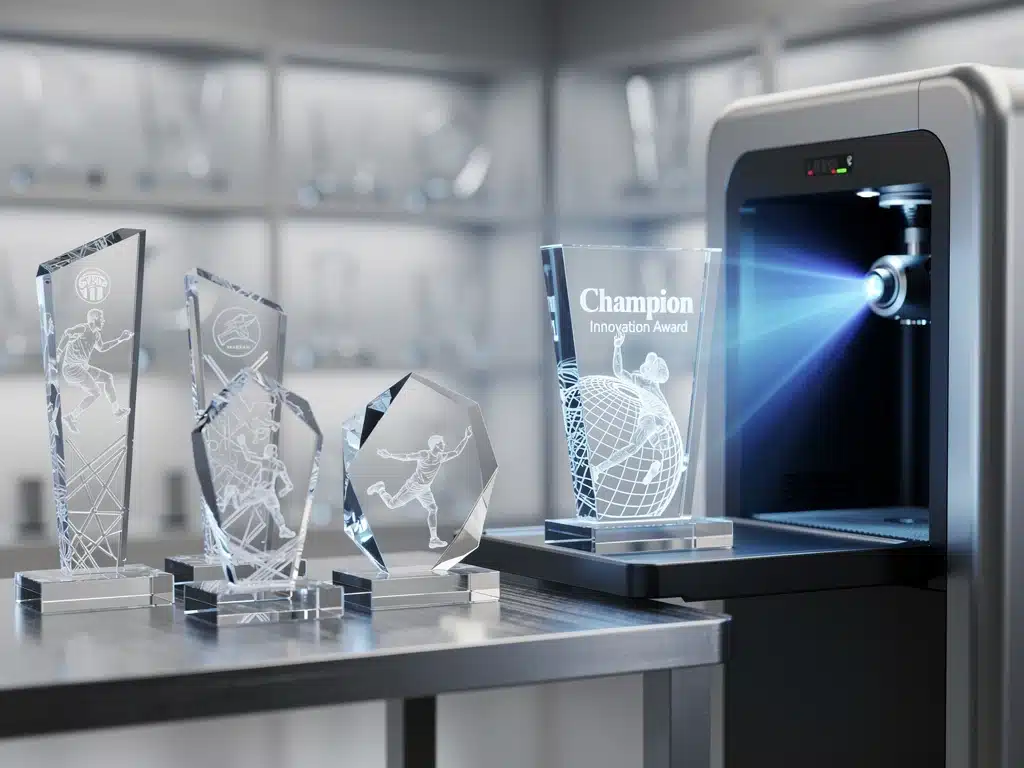
What Is the Trophy Manufacturing Process?
The trophy manufacturing process refers to the full journey of creating an award. It starts with a concept and ends with a polished, ready-to-present piece. Designers first sketch ideas based on the client’s needs. Next, engineers select suitable materials such as crystal, metal, or resin. Afterward, skilled workers shape, mold, and finish each item.
This process is not simple. Meanwhile, it demands coordination between design teams, machine operators, and quality inspectors. Consequently, only experienced manufacturers can deliver consistent results at scale.
Every business, school, and sports club has different award needs. For this reason, manufacturers offer a wide range of styles, sizes, and finishes. Some clients prefer classic designs, while others want bold, modern shapes. Regardless of style, the underlying trophy manufacturing process remains largely the same.
Choosing the Right Materials for Your Trophy
Material choice shapes both appearance and cost. Additionally, it determines how long a trophy will last. Common options include crystal, gold-plated metal, silver alloys, and resin composites. Each material suits different occasions and budgets.
Budget-conscious buyers often choose resin or acrylic trophies. These materials are lightweight and affordable, making them ideal for large events with many winners. On the other hand, premium events usually call for crystal or metal awards. These pieces feel substantial and convey a sense of prestige.
Weight also plays a role in material selection. Heavier trophies often signal higher value, though they cost more to ship. Meanwhile, lighter materials suit youth sports leagues or school competitions where budgets are tighter. Ultimately, the right choice depends on the event’s purpose and audience.
Crystal Trophy Production Explained
A crystal trophy begins as raw glass blocks. These blocks are cut using diamond-tipped tools for precision. Then, artisans polish the surface until it becomes clear and reflective. Laser engraving often adds names, logos, or dates. Because crystal is fragile, workers handle it with extreme care throughout production.
Crystal trophies are popular for corporate awards and academic honors. Their elegant look suits formal ceremonies. Furthermore, they can be customized with colored bases or engraved text for a personal touch.
Producing a flawless crystal trophy takes patience. Small air bubbles or scratches can ruin an otherwise perfect piece. Consequently, workers inspect each block before cutting begins. Once cutting is complete, the trophy passes through several polishing stages. Each stage removes finer imperfections until the surface achieves a mirror-like shine.
Gold Trophy and Silver Trophy Finishing Techniques
A gold trophy typically starts as a metal base, often zinc or brass. Workers then apply a thin layer of gold plating through electroplating. This method creates a shiny, durable finish that resists tarnishing.
Similarly, a silver trophy follows a comparable process. However, silver plating requires different chemical baths and voltage settings. Both techniques demand skilled technicians who monitor timing and temperature closely. Otherwise, the finish may appear uneven or dull.
Temperature control matters greatly during plating. If the bath runs too hot, the coating may peel over time. Conversely, a bath that is too cool produces a weak, patchy layer. Skilled technicians therefore test samples regularly throughout the shift. This attention to detail keeps every gold trophy and silver trophy looking sharp for years.
After plating, workers buff each piece by hand. Hand buffing removes minor blemishes that machines might miss. Eventually, the trophy reaches a bright, mirror-like finish ready for engraving.
The Trophy Manufacturing Process Step by Step
Understanding each phase clarifies why quality trophies take time to produce. Below is a simplified breakdown:
- Design and Approval — Clients share requirements, and designers create digital mockups.
- Material Sourcing — Suppliers provide crystal, metal, or resin based on the design.
- Molding or Cutting — Machines shape the base material into the desired form.
- Plating or Polishing — Gold, silver, or crystal surfaces receive their final treatment.
- Engraving — Names, logos, and messages are added using laser or mechanical engraving.
- Assembly — Components like bases, figures, and plaques are joined together.
- Quality Check — Every trophy is inspected for defects before packaging.
- Packaging and Delivery — Finished trophies are wrapped securely and shipped to clients.
Each step builds upon the previous one. Skipping any stage would compromise the final product. Thus, reputable manufacturers follow strict protocols throughout production.
Timing varies depending on complexity and order size. A simple resin award might take a few days, while an intricate crystal trophy could take weeks. Rush orders are possible, though they often require additional coordination between teams. Planning ahead, therefore, remains the best approach for large events.
Custom Trophies for Cricket Trophies and Other Sports
Sports events often require specialized awards. For instance, cricket trophies frequently feature bat-and-ball motifs or stadium-shaped bases. These designs celebrate the sport’s spirit while honoring individual or team performance.
Custom sports trophies can be tailored for football, basketball, athletics, and more. Teams often request engraved player names alongside tournament dates. Meanwhile, schools and clubs prefer trophies that reflect their colors and branding. Because every sport has unique traditions, manufacturers must stay flexible and creative.
Marseilia Gifts works closely with sports organizers to design trophies that match their event themes. Our designers consider size, weight, and durability for outdoor or indoor presentations alike.
Youth leagues often request smaller, budget-friendly trophies for every participant. In contrast, championship finals call for larger, more elaborate pieces. Balancing these needs requires flexible manufacturing capacity. Consequently, we maintain multiple production lines to serve both small and large orders efficiently.
Cricket trophies, in particular, benefit from thoughtful engraving. Team names, match scores, and tournament logos add meaning to each award. As a result, winners keep these pieces as lasting reminders of their achievement.
Quality Control in the Trophy Manufacturing Process
Quality control ensures every trophy meets brand standards. Inspectors check for cracks, scratches, or plating inconsistencies. They also verify that engravings are accurate and legible. Without this step, defective products might reach customers, damaging trust and reputation.
Modern facilities use both manual inspection and automated scanning tools. Consequently, defects are caught early, reducing waste and delays. This careful approach protects the brand’s reputation and satisfies client expectations.
Packaging also falls under quality control. Fragile items like crystal trophies need cushioned boxes to prevent damage during transit. Meanwhile, metal trophies require secure wrapping to avoid scratches. Attention to these final details ensures that trophies arrive in perfect condition, ready for presentation.
Finding Sports Trophies Near Me
Many event organizers search online for “sports trophies near me” when planning last-minute award ceremonies. Local availability matters, especially for urgent orders. Fortunately, Marseilia Gifts offers fast production and delivery across multiple regions.
Choosing a nearby supplier reduces shipping time and costs. Additionally, local manufacturers can accommodate custom design changes more quickly. Therefore, businesses and schools benefit from partnering with a reliable, accessible trophy provider.
Beyond convenience, local partnerships allow for face-to-face consultations. Clients can review samples in person before placing a full order. This hands-on approach reduces misunderstandings and builds confidence in the final product. Consequently, many event planners prefer working with a nearby manufacturer over an overseas supplier.
Why Choose Marseilia Gifts for Your Trophies
Marseilia Gifts offers a complete range of customized awards, advertising solutions, premium gift packaging, and display systems. Our services help businesses strengthen brand presence and celebrate achievements. We combine craftsmanship with modern production methods to deliver lasting quality.
Our team handles every stage of the trophy manufacturing process in-house. This control allows us to maintain consistency and meet tight deadlines. Whether clients need a single crystal trophy or hundreds of cricket trophies, we scale production without sacrificing detail.
Moreover, we understand that every award represents someone’s achievement. Consequently, we treat each order with the same level of care, regardless of size. Our clients trust us because we deliver on our promises consistently.
Conclusion
The trophy manufacturing process combines artistry, engineering, and quality control. From selecting crystal or metal to applying gold and silver finishes, each step matters. Sports teams, schools, and businesses all rely on well-made trophies to celebrate success.
At Marseilia Gifts, we bring together design expertise and manufacturing precision to create awards that last. Whether you need a crystal trophy for a corporate gala or cricket trophies for a local tournament, our team is ready to help. Contact us today to bring your vision to life with trophies built for lasting impact.