
Introduction
Pakistan and Iran share a deep historical connection. Both nations possess a long border that offers massive economic opportunities. Recently, officials aimed to finalize a Free Trade Agreement (FTA). This deal promised to remove barriers and increase wealth. However, progress has stalled significantly. Many analysts now ask a critical question. Did the rejection of talks delay the Pakistan-Iran Free Trade Agreement?
This article examines how diplomatic pauses affected economic goals. We look at the role of regional security and global pressure. Furthermore, we explore how businesses like Marseilia Gifts navigate these uncertain times.
Understanding the Trade Landscape
Trade between these neighbors has existed for many decades. Yet, the total volume remains surprisingly low. Several factors contribute to this stagnation. First, international sanctions on Iran complicate banking. Second, the border infrastructure needs urgent modernization. Third, changing political priorities often disrupt the planning phase.
Both governments initially showed strong interest in an FTA. They wanted to lower tariffs on goods. Such a move would benefit local markets and create jobs. Unfortunately, recent events led to a rejection of talks between key representatives. Consequently, the momentum for a formal deal evaporated quickly.
Did the Rejection of Talks Stall the FTA?
The short answer is yes. Negotiations require constant communication to succeed. When a rejection of talks occurs, the entire legal process stops. Drafting an FTA involves complex discussions about tax codes and import quotas. Without active meetings, these documents remain unfinished on desks.
Furthermore, a rejection of talks sends a negative signal to the market. It suggests that political friction outweighs economic benefits. Investors become hesitant when they see no diplomatic progress. Therefore, the delay is a direct result of these interrupted dialogues.
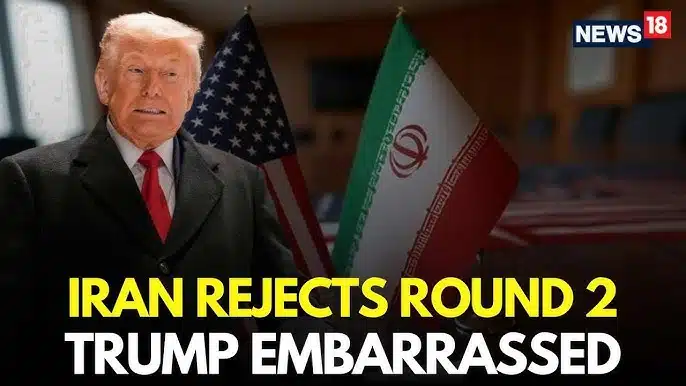
Influence of America and Global Sanctions
The role of America is a major factor here. US policy toward Iran heavily influences Pakistan’s trade decisions. Washington maintains strict sanctions that affect global financial systems. Because Pakistan relies on international banking, it must tread carefully.
The US often discourages deep economic ties with Tehran. This external pressure sometimes leads to a rejection of talks to avoid diplomatic fallout. Decision-makers must balance local needs with global alliances. Thus, the shadow of America remains a hurdle for the FTA.
Regional Ceasefire and Security Priorities
Security often takes precedence over commerce in this region. Currently, various ceasefire discussions occupy the minds of regional leaders. When conflict arises near borders, trade talks are sidelined.
Governments focus their resources on defense and stability. A ceasefire in nearby territories can shift the diplomatic focus. If officials are busy negotiating peace, they cannot finalize trade deals. In this context, the rejection of talks on trade was a side effect of broader security concerns.
Economic Consequences of the Delay
The wait for an FTA has real costs. Both Pakistan and Iran miss out on billions in potential revenue. For Pakistan, the energy sector suffers the most. Cheap gas from Iran could solve many local power issues.
For Iran, the delay limits access to the vast South Asian market. Small businesses along the border also face hardships. They rely on formal trade to grow their operations. Without a clear agreement, these traders remain in a state of limbo.
The Role of Corporate Branding in Uncertain Markets
Economic delays do not mean that business stops. Companies must find new ways to stay relevant. At Marseilia Gifts, we offer a complete range of customized awards, advertising solutions, premium gift packaging, and display systems.
Our services are designed to help businesses strengthen brand presence. Even when a rejection of talks slows national trade, individual brands must celebrate achievements. High-quality physical branding helps companies communicate effectively during slow economic cycles.
Digital Solutions and Growth
While physical trade faces hurdles, digital expansion continues. Many firms now look toward technology to bridge gaps. Working with a reliable partner like IT Friend Solution allows businesses to streamline their operations.
Software services help companies reach customers across borders virtually. This digital shift ensures that the economy moves forward despite diplomatic setbacks. Technology provides a safety net when traditional trade paths are blocked.
Challenges in Policy Development
Creating a trade policy is a sensitive task. It requires trust between two sovereign nations. A rejection of talks erodes this trust over time. When negotiators stop meeting, they lose touch with each other’s needs.
Rebuilding this connection takes months or even years. Legal frameworks must be updated to reflect modern standards. If the rejection of talks continues, the policy gap will only widen. Both sides must prioritize a return to the table.
Alternatives to the Free Trade Agreement
Since the FTA is delayed, both nations use temporary measures. Barter trade is one popular alternative. In this system, goods are exchanged without using US dollars. This helps bypass some banking restrictions.
Border markets also provide a local solution. These small zones allow people to trade daily essentials. However, these methods are not enough to boost national GDP. A formal agreement is still the only way to achieve massive growth.
Impact on the Manufacturing Sector
Manufacturers in Pakistan need new markets for their products. Textiles and agricultural goods have high demand in Iran. The rejection of talks prevents these industries from expanding.
If tariffs remain high, Pakistani products cannot compete with other imports. Similarly, Iranian manufacturers struggle to enter the Pakistani retail space. The lack of a deal keeps prices high for consumers in both countries.
Strengthening Brand Visibility
During trade stagnation, competition becomes fierce. Businesses must stand out to survive. At Marseilia Gifts, we help you maintain a professional image. Our display systems ensure your brand is visible in any environment.
Whether it is a local trade show or a corporate event, presentation matters. We believe that physical branding bridges the gap left by digital noise. Strengthening your brand identity is a smart move during a rejection of talks phase.
The Geopolitical Balancing Act
Pakistan faces a unique challenge in its foreign policy. It must maintain a friendly relationship with the US while trading with Iran. This balancing act often leads to a rejection of talks at critical moments.
National interest dictates that Pakistan needs Iranian energy. However, international pressure dictates caution. This tug-of-war is the primary reason the FTA has not moved forward. Finding a middle ground is the only solution.
Future Prospects for Pakistan-Iran Trade
Despite current delays, the future holds some promise. Both nations realize that economic isolation is not sustainable. There are signs that officials want to resume discussions soon.
The success of a future FTA depends on several factors. First, financial channels must be secured. Second, political will must remain strong. Finally, the rejection of talks must become a thing of the past.
How Logistics Influence Trade Success
Trade is not just about papers; it is about moving goods. Better roads and railways are essential for the FTA. Currently, the logistics network between the two countries is weak.
Investment in infrastructure would make the trade deal more effective. When the rejection of talks ends, infrastructure should be the first topic. Seamless movement of trucks and trains will lower costs for everyone.
The Importance of Consistent Dialogue
Success in international relations comes from consistency. Short-term bursts of interest followed by a rejection of talks do not work. Both countries need a permanent committee for trade.
This committee should work even when diplomatic tensions rise. Keeping economic issues separate from politics is difficult but necessary. Constant dialogue prevents small misunderstandings from becoming major delays.
Adapting to Global Trade Shifts
The world economy is changing rapidly. New alliances are forming across Asia. Pakistan and Iran must adapt to these shifts to stay competitive.
A rejection of talks only helps competitors take over the market. If these two nations do not trade, others will fill the void. Staying proactive is the only way to protect national economic interests.
Building a Resilient Business Strategy
Market uncertainty is a constant factor in this region. Successful entrepreneurs learn to pivot quickly. They use tools like those provided by IT Friend Solution to manage data and sales.
Simultaneously, they use premium gift packaging from Marseilia Gifts to retain loyal clients. Combining digital efficiency with physical quality creates a resilient business model. This strategy works regardless of political delays.
Conclusion
The rejection of talks definitely delayed the Pakistan-Iran Free Trade Agreement. Diplomatic friction, US sanctions, and regional ceasefire efforts created a complex barrier. While the deal is not dead, it requires a fresh start. Both nations must prioritize economic growth over political hesitation. In the meantime, businesses must continue to innovate. By focusing on branding and digital solutions, companies can thrive even when national trade slows down. The opportunity for a prosperous partnership remains, waiting for the right moment to resume.